
UP AIT and Lake Sebu Celebrate T’boli Living Heritage in Pagbabahagi
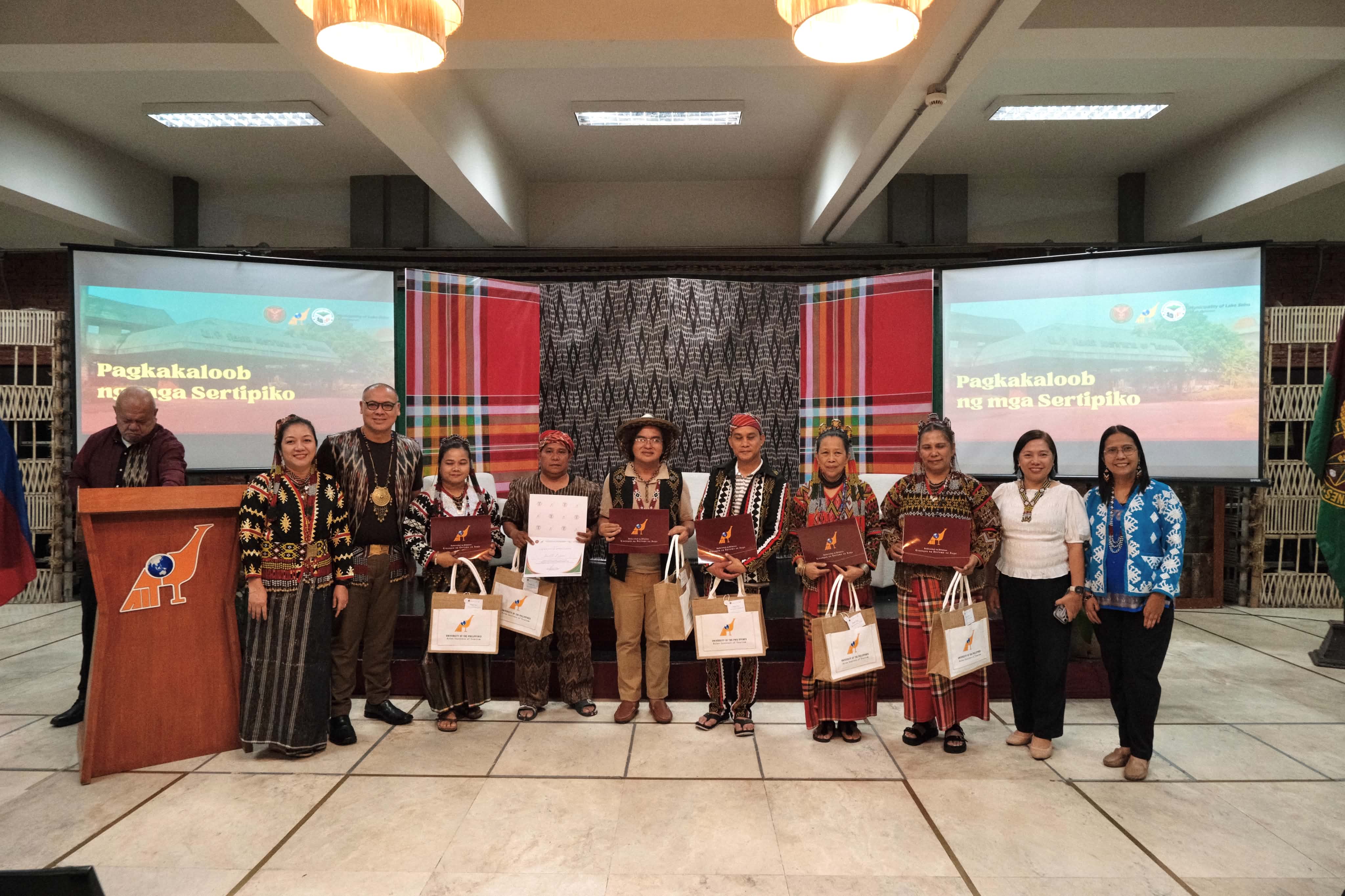
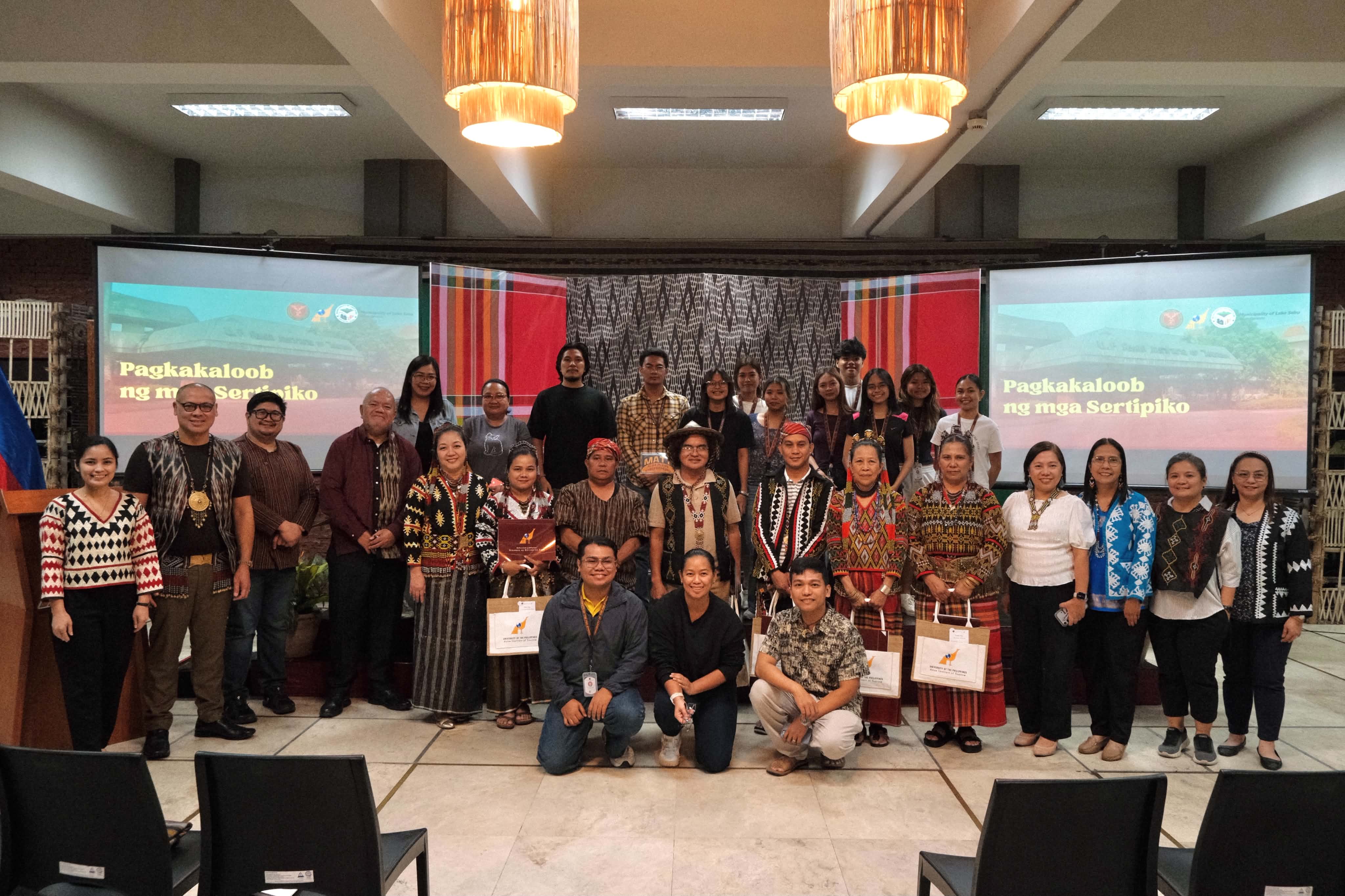
In celebration of Indigenous Peoples’ Month 2026, the UP Asian Institute of Tourism (UP AIT), in partnership with the Local Government Unit of Lake Sebu, South Cotabato, held Pagbabahagi: Tradisyon, Kultura, at Turismo ng Pamanang T’boli on October 14, 2026 at the UP AIT Lounge.
Pagbabahagi was conceived as a space for the T’boli community to share and celebrate their traditions, culture, and tourism in their own voice. For tourism students, the event offered a firsthand look at how heritage and tourism can work together, and at the role of indigenous tourism as a strategy for sustainable development.
Tourism as a meeting point of identity, rights, and heritage
Opening the program, UP AIT Dean Giovanni Francis Legaspi challenged the audience to look beyond the conventional view of tourism. In the context of Indigenous Peoples and Indigenous Cultural Communities (ICCs), tourism is a space where a community’s identity, rights, and heritage meet the policies, representations, and development agendas that shape them.
Dean Legaspi encouraged participants to critically examine the social, environmental, and cultural dimensions of tourism as it relates to Indigenous Peoples. He framed the afternoon around living heritage: the rituals, performing arts, crafts, and indigenous knowledge systems that the community actively sustains and passes down from one generation to the next.
Voices from Lake Sebu
The learning session featured three presentations from members of the T’boli community and the Lake Sebu LGU.
Culture bearer Maria Todi opened with T’boli Spirituality and T’nalak: Culture, Meaning and Identity, discussing the sacred and cultural significance of the t’nalak, the T’boli’s renowned abaca cloth, and its place in T’boli spirituality and identity.
Nenita Kinan of the Lake Sebu Tourism Office followed with Preserving T’boli Indigenous Knowledge Systems and Practices, highlighting efforts to safeguard the community’s knowledge and the relationship between culture and local government in tourism planning.
Michael Yambok, Tourism Operations Officer of Lake Sebu, then presented T’boli Lifeways and Performing Arts, introducing the everyday practices and artistic traditions that continue to define T’boli life.
Critical questions for tourism
The presentations prompted reflection on questions central to the study of indigenous tourism. When a sacred practice becomes a souvenir or an attraction, who has the right to decide how it is presented and sold? How can indigenous knowledge be protected against misuse, commercialization, or loss? And how can it be ensured that the community remains the steward and decision-maker over its own heritage?
The discussions also drew attention to the partnership between culture bearers and local government, and to how communities can be meaningfully included in tourism planning. These themes were taken up further in an open forum, where students and guests engaged the speakers directly.
Heritage in motion
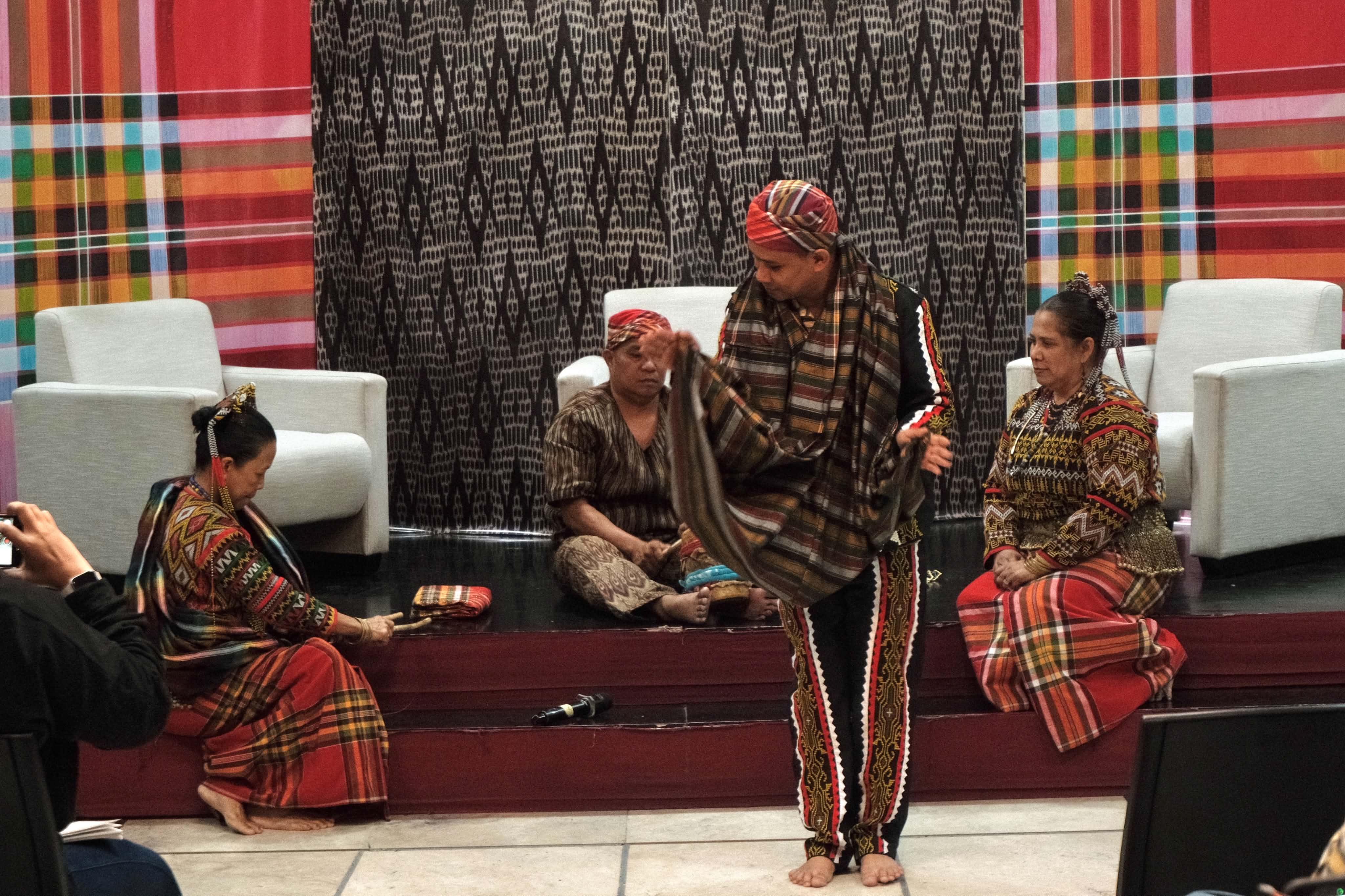
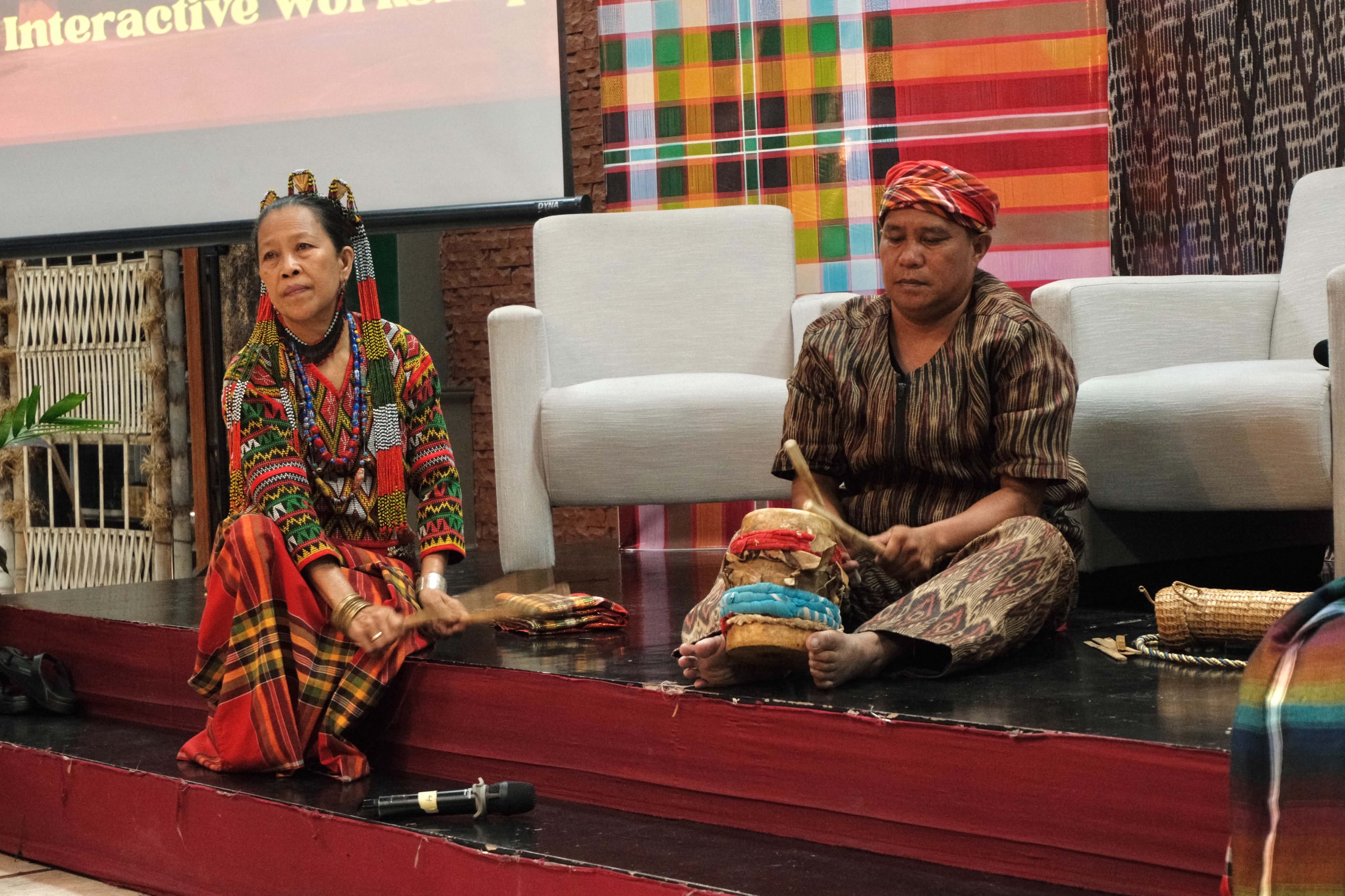
Following the talks, participants engaged with T’boli living heritage through an interactive workshop on T’boli music and dance. As the program emphasized, dance and music are not mere ornaments. They are the language of the community and a way of passing culture on to the next generation.
The afternoon culminated in a community dance, with students, faculty, and guests joining the T’boli performers, followed by the a message of appreciation from the Dr. Jennifer Tupas, Lake Sebu Municipal Tourism Officer.
In his closing remarks, Co-Chair of the UP Diliman Culture Bearers-in-Residence Program Dr. Sir Anril Tiatco affirmed that the knowledge of Indigenous Peoples is a legitimate source of knowledge. He described gatherings such as Pagbabahagi as platforms where IP advocacies can be heard, and where hegemonic and inaccurate narratives about Indigenous Peoples can be challenged and resisted.
Through Pagbabahagi, UP AIT and the Municipality of Lake Sebu reaffirmed a shared commitment to tourism that honors indigenous communities as the storytellers of their own heritage.